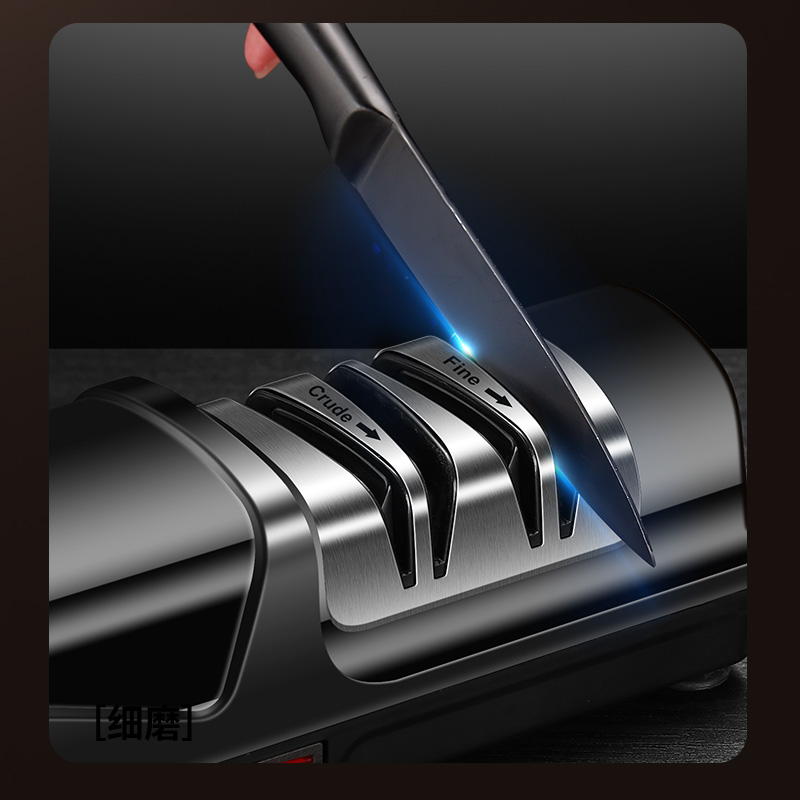
Black S865 knife sharpener with “Crude” and “Fine” slots, placed on a dark wooden surface

Electric Knife Sharpener Maintenance
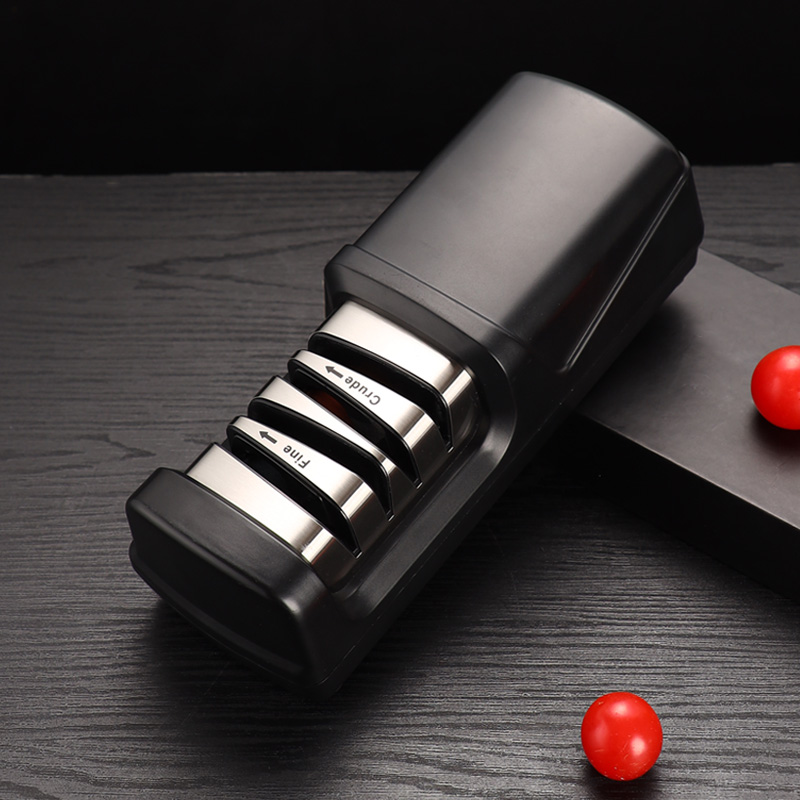
Black S865 knife sharpener with “Crude” and “Fine” slots, placed on a dark wooden surface

How To Keep Your Tool Sharp & Durable

Investing in the best electric knife sharpener or a reliable electric kitchen knife sharpener saves kitchen time—but only with proper care. A well-maintained electric knife sharpener keeps blades sharp for years; neglect causes jams, uneven results, or motor failure. Below are concise, unique maintenance tips.

1. Post-Use Cleanup: Do This Every Time (5-Minute Rule)

Metal shavings clog slots and scratch parts. Clean after every use:
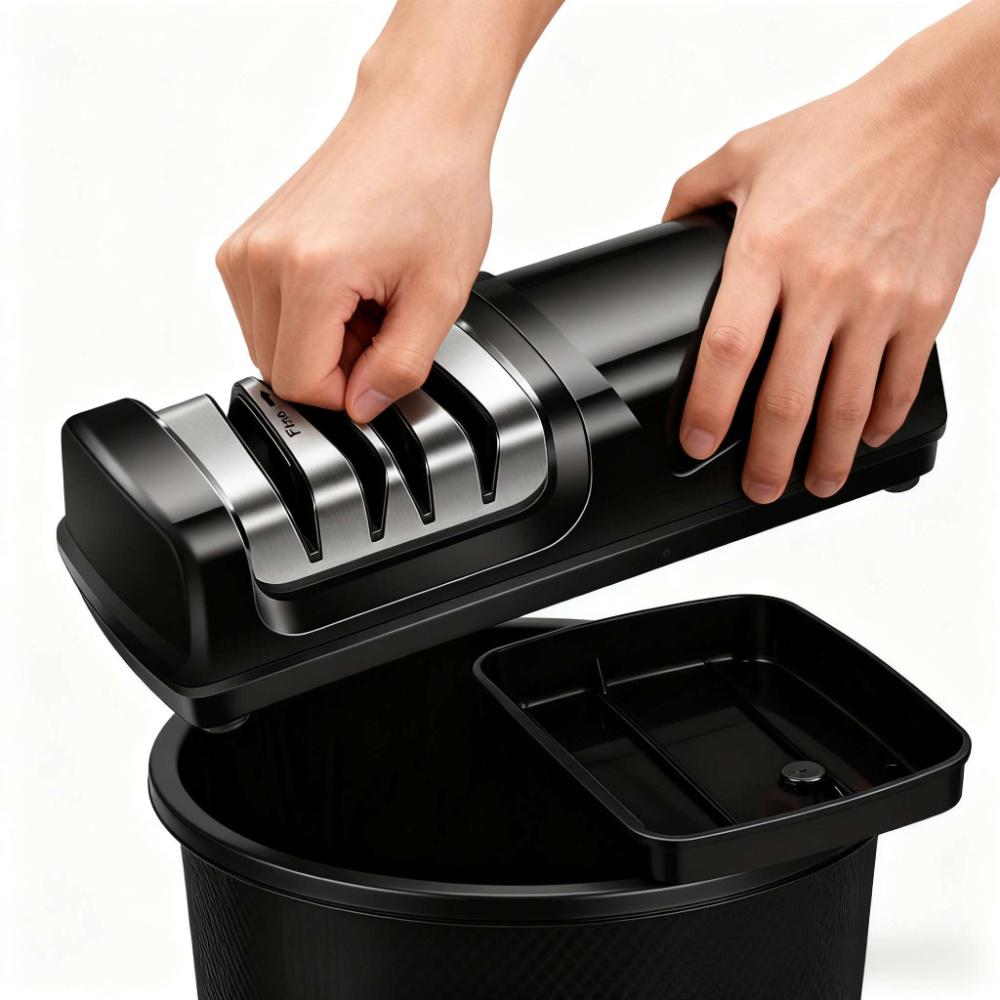
  • Empty debris tray: Tap the removable base tray over trash to remove shavings (don’t blow—avoid eye irritation).
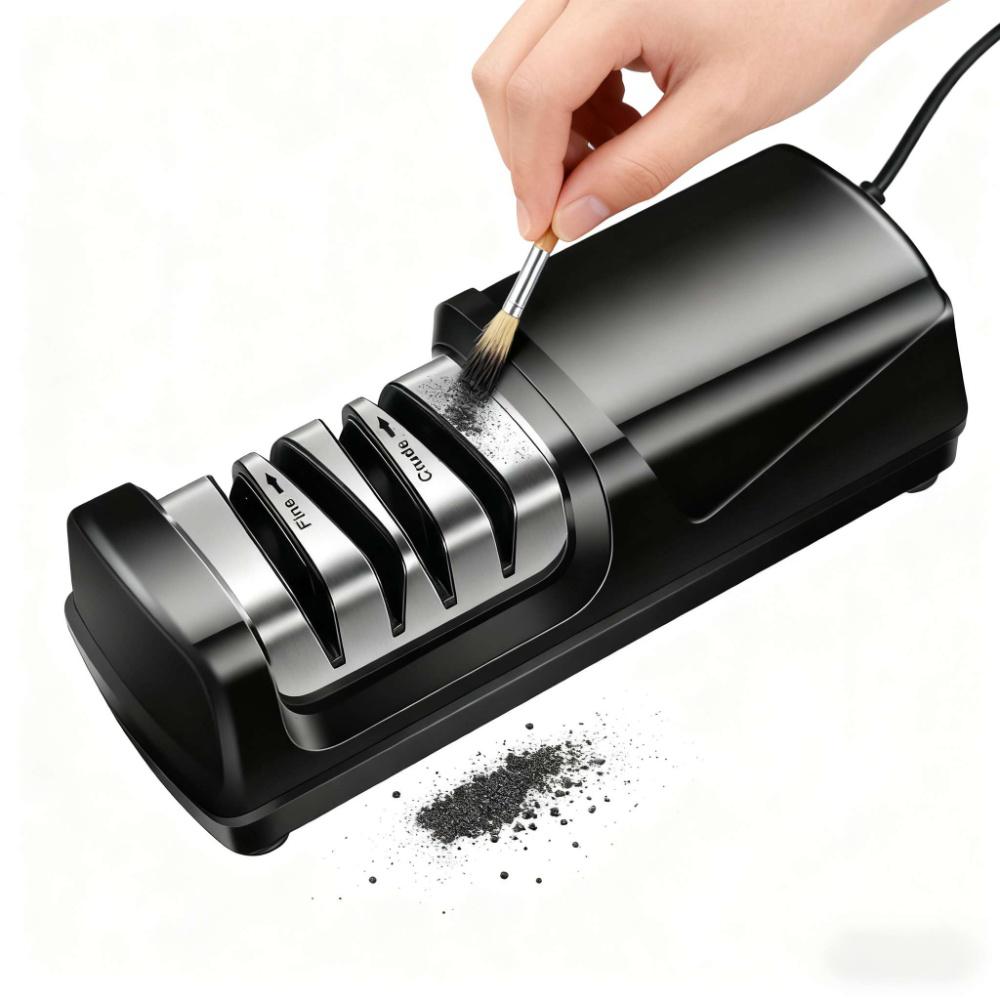
  • Clean grinding slots: Scrub slots with a stiff brush (old toothbrush works). Avoid water—moisture turns dust into gritty paste.
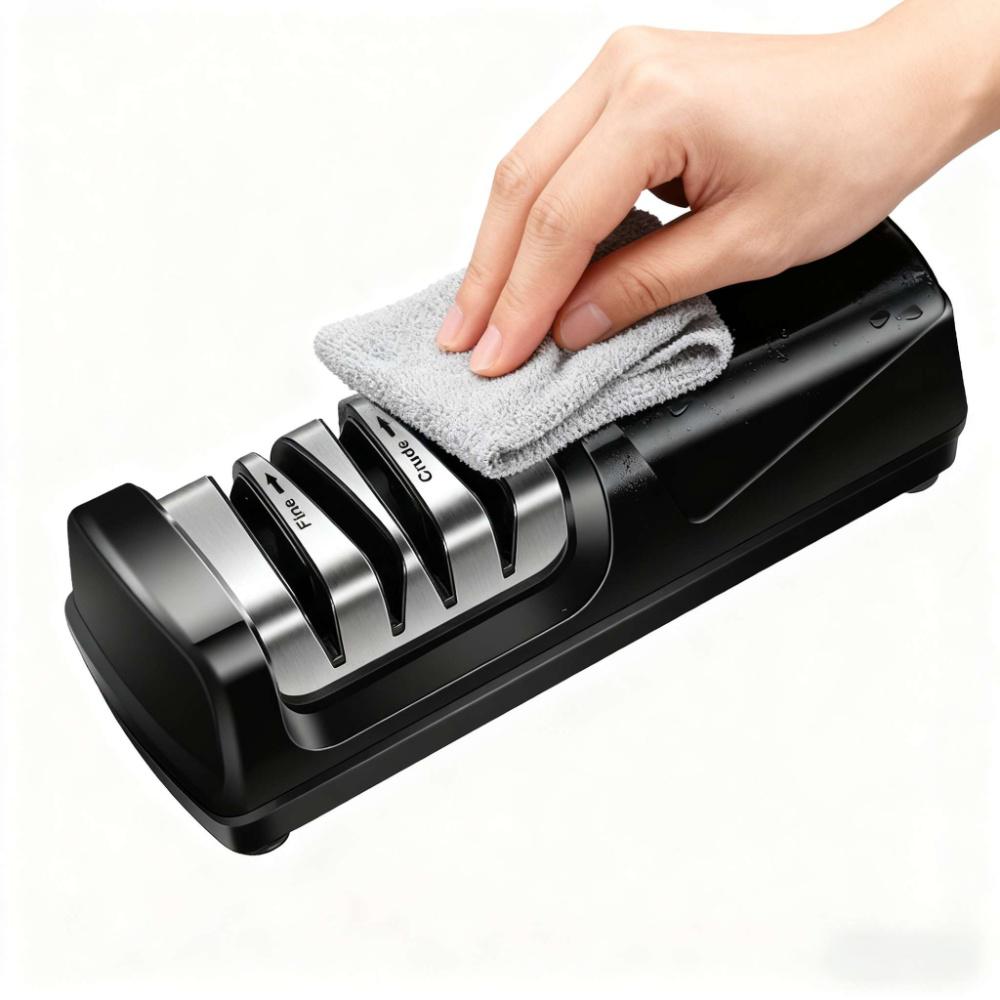
  • Wipe exterior: Use a microfiber cloth; spot-clean sticky residue with soapy water, then dry immediately to prevent rust.
Empty debris tray of the electric knife sharpener
Clean knife sharpener's grinding slots with a brush
wipe the knife sharpener with a piece of soft fabric

2. Sharpening Head Care: Extend the “Sharpening Power”

Grinding heads (diamond/ceramic/abrasive steel) are critical to your electric knife sharpener. Care for them to avoid frequent replacements:
  • Monthly wear check: Inspect heads via the bottom panel. Replace if you see deep grooves, chipping, or smooth (grit-free) surfaces.
  • Avoid overloading: Fix large nicks/rust with a manual file first—these damage heads. Use the sharpener for finishing.
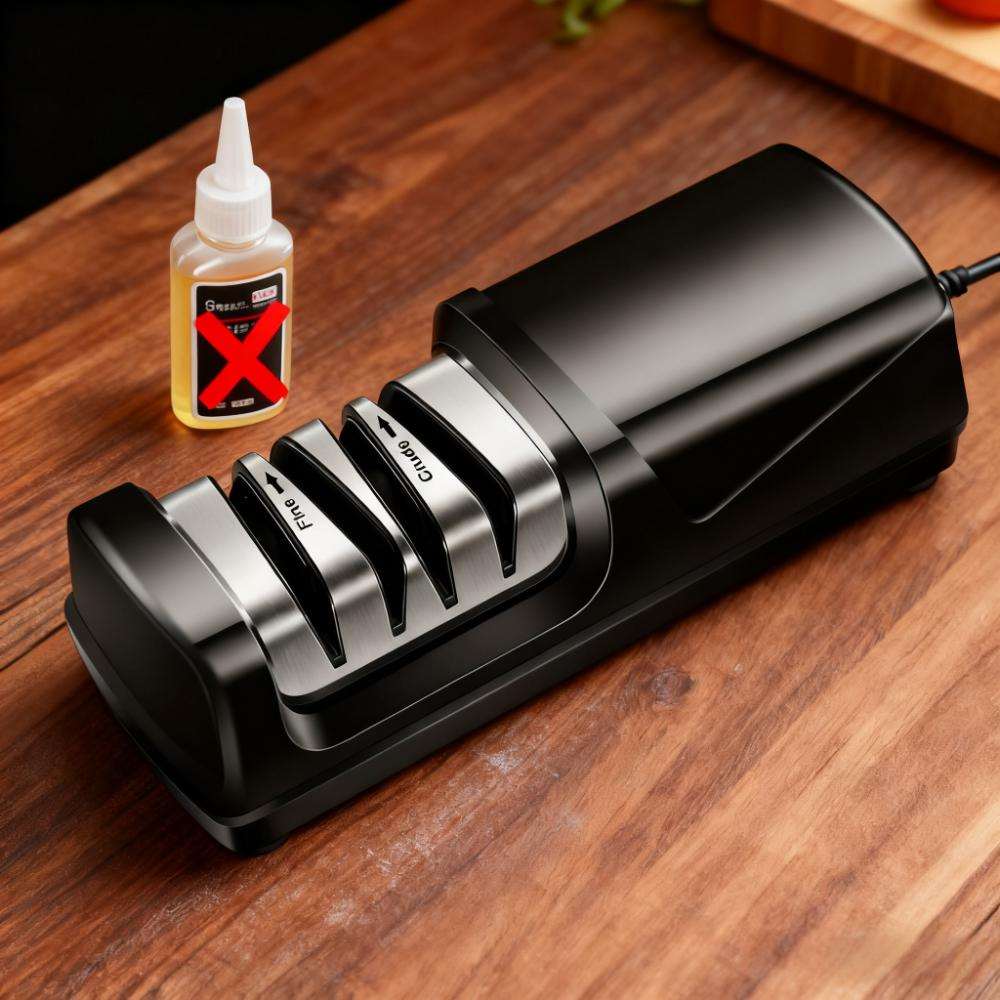
  • Skip lubricants: Unlike manual whetstones, heads don’t need oil—lubricants attract dust and clog parts.
No oil is used for the electric knife sharpener

3. Motor & Power: Protect the “Engine”

The motor is the priciest component—prevent burnout with simple habits:
  • 2-minute cool-down: Sharpen max 5 knives in a row. Turn off and cool after 2 minutes of use—overheating shortens life.
  • Quarterly cord check: Stop use if cords fray/crack—replace or contact the manufacturer for repairs.
  • Use proper power: Plug into a standard outlet—avoid extension cords (they cause voltage drops that stress the motor).

4. Storage: Keep It Dry & Ready

Poor storage ruins even the best electric knife sharpener quickly:
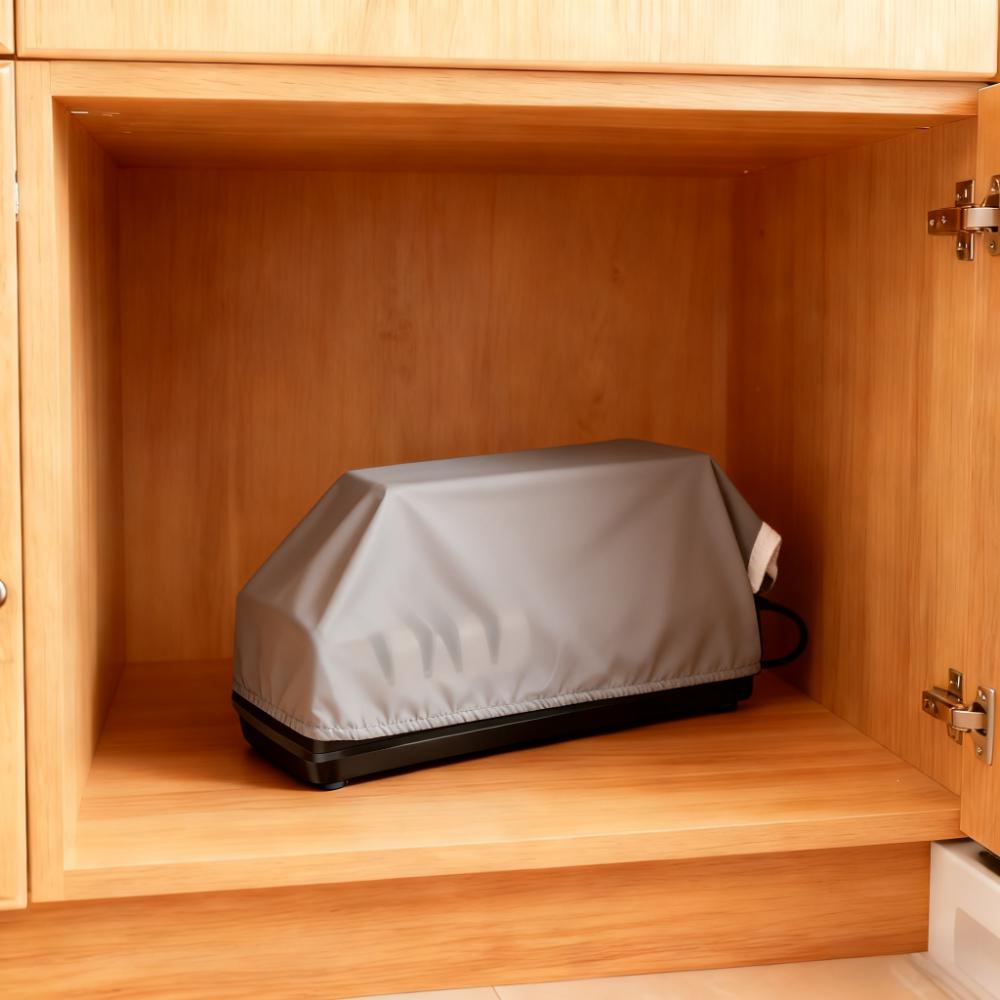
  • Choose dry storage: Use a cabinet (not under the sink) or countertop away from dishwashers—moisture causes rust/mold.
  • Cover (optional): A dust cover/towel keeps debris out of sharpening slots.
  • Don’t stack items: Heavy objects bend slot guides, leading to uneven edges.
storage electric knife sharpener with a piece of fabric

Quick Fix for Common Issues

  • Won’t turn on: Ensure the debris tray is fully closed (most have a safety switch).
  • Blades still dull: Clean grinding slots—clogged shavings are the main cause.
Monthly maintenance takes under 10 minutes but doubles your electric knife sharpener’s lifespan. A little care for your tool goes a long way.
Kitchen knife being finely sharpened in the “Fine” slot of a knife sharpener, with blue light effect highlighting the process.

Similar Posts

Leave a Reply